
Why Handcrafted Furniture Speaks to Our Souls
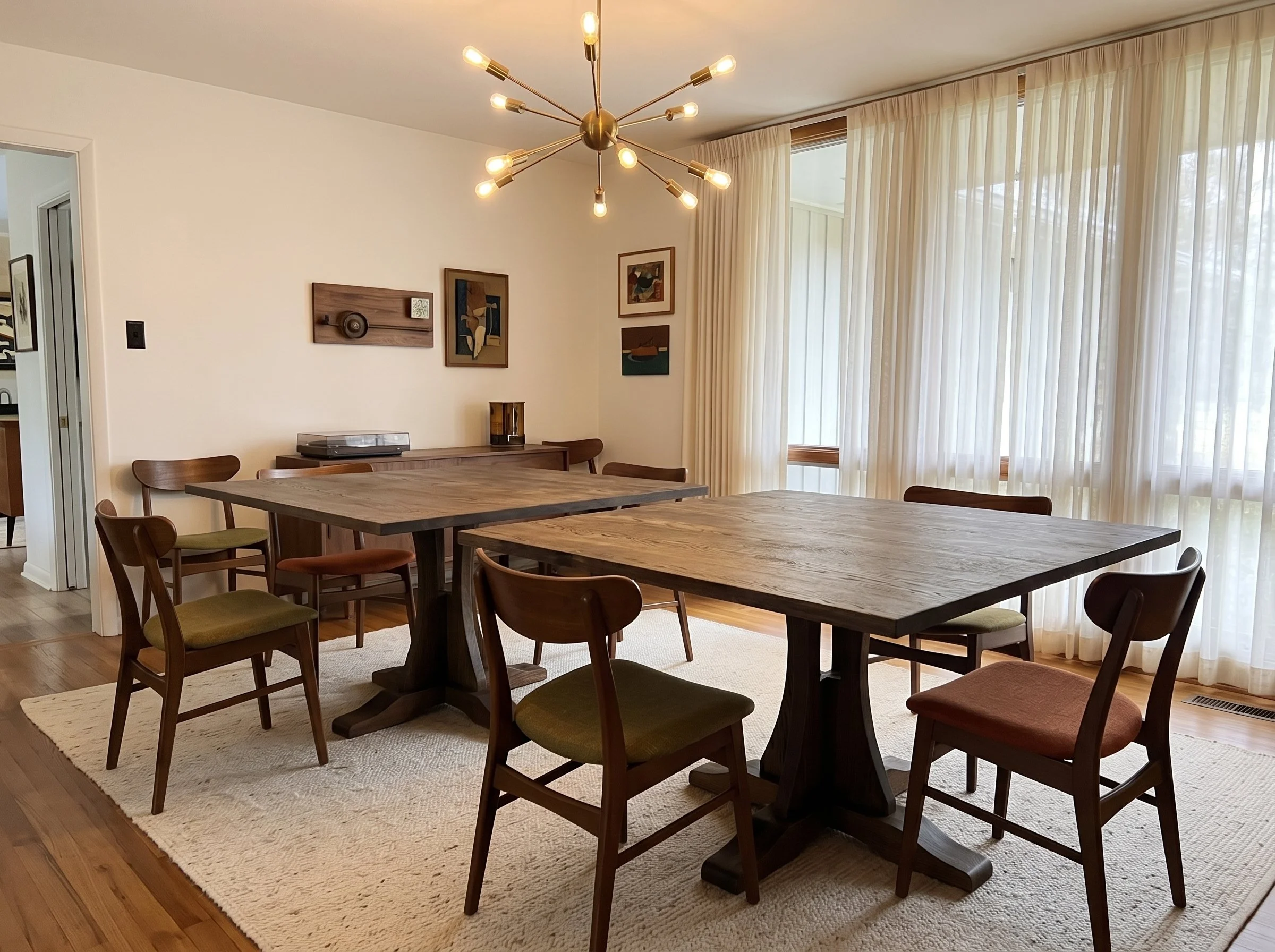
There's something deeply satisfying about running your fingers along a piece of furniture and feeling the subtle imperfections that prove human hands shaped it. Mass-produced furniture, no matter how well-designed, lacks this texture and authenticity. It's the difference between a factory print and an original painting.
Handcrafted furniture connects us directly to the maker's story. When you choose an artisan-made piece, you're supporting someone's craft—their years of learning and perfecting techniques passed down through generations. Every wood grain pattern, every carefully tied knot in a macramé piece, every slight variation in finish tells part of that story.
Aesthetics Built on Quality
Boho and midcentury modern styles celebrate this connection to craftsmanship:
- Boho embraces the handmade beauty of woven textures, natural fibers, and organic shapes.
- Midcentury Modern honors the artistry of wood, clean lines that showcase material quality, and the seamless marriage of function with aesthetic pleasure.
Both styles reject the disposable mentality in favor of heirloom-quality pieces.
The Real Problem with Mass Production
We're not anti-mass production across the board, that would be unrealistic. The real issue lies in the throwaway culture that mass production enabled. When furniture became so cheap that replacing it cost less than repairing it, we lost the connection between our belongings and our values.
Mass-produced furniture often prioritizes cost-cutting over durability, aesthetics over authenticity, and speed over sustainability. The result? Homes filled with generic pieces that break easily and contribute to landfill waste. Consider the typical particleboard dresser versus a handcrafted solid wood piece: the mass-produced version might cost less upfront, but it warps, chips, and falls apart within a few years. The handcrafted piece can last generations while developing a beautiful patina over time.
