Are Mass-Produced Furniture Pieces Dead? Why Handcrafted Furniture Is Taking Over in 2026

heroImage

The furniture world is experiencing a quiet revolution. Walk into any design-conscious home today, and you'll notice something different: fewer cookie-cutter pieces, more soul-filled furniture that tells a story. We believe we're witnessing the beginning of a fundamental shift in how people think about their living spaces.

But here's the thing: mass-produced furniture isn't exactly dead. Instead, what's happening is far more nuanced and exciting. The industry is transforming from a volume-driven race to the bottom into a value-driven pursuit of meaning. And at the heart of this transformation? The rising demand for handcrafted, artisan-made pieces that bring authenticity and warmth into our homes.

The Great Furniture Awakening of 2026
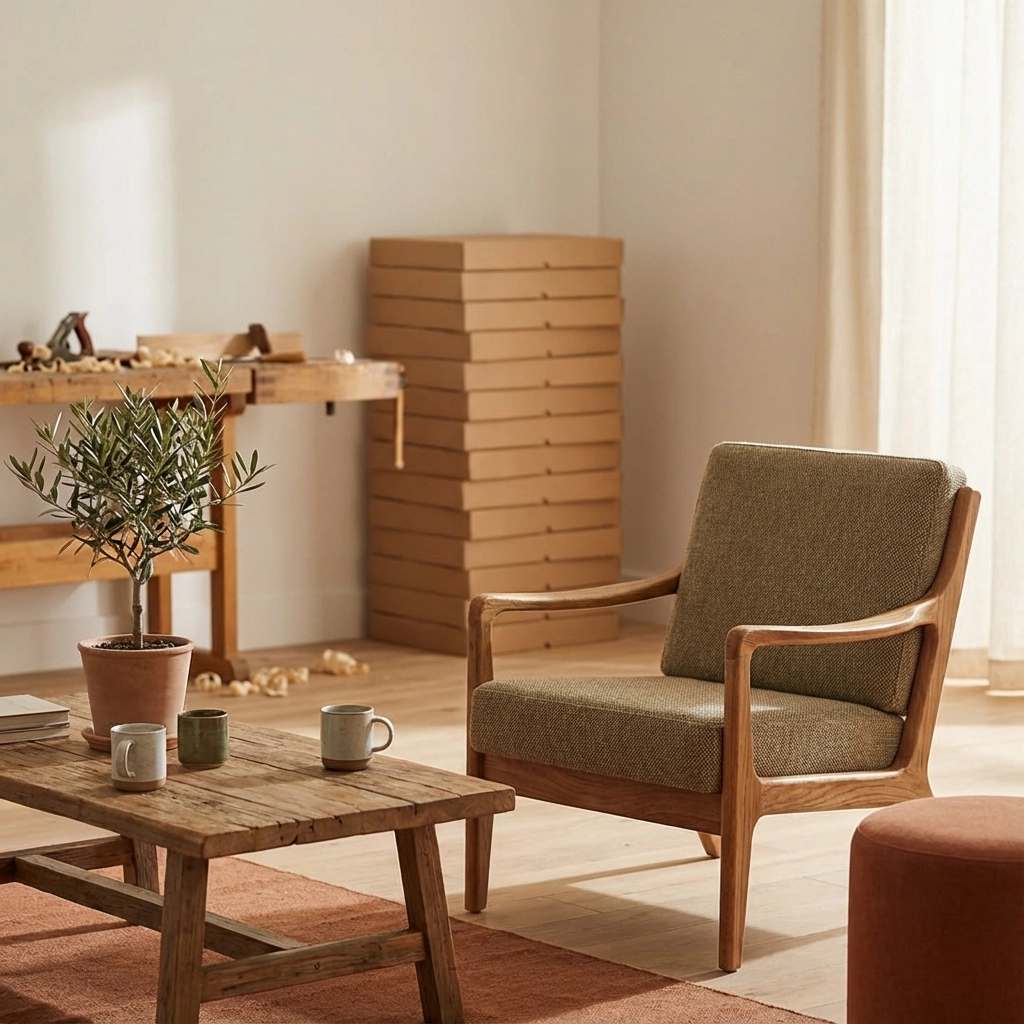
Something clicked for consumers in recent years. Maybe it was the pandemic making us spend more time at home, or perhaps it was the growing awareness of environmental impact: but people started asking different questions about their furniture. Instead of "How cheap can I get this?" they began wondering "Will this piece still matter to me in ten years?"

image_1

The numbers tell the story. Custom furniture requests have skyrocketed, with fully custom pieces now representing 45% of kitchen projects. But this isn't just about kitchens: it's about a fundamental shift in how we approach every piece that enters our homes.

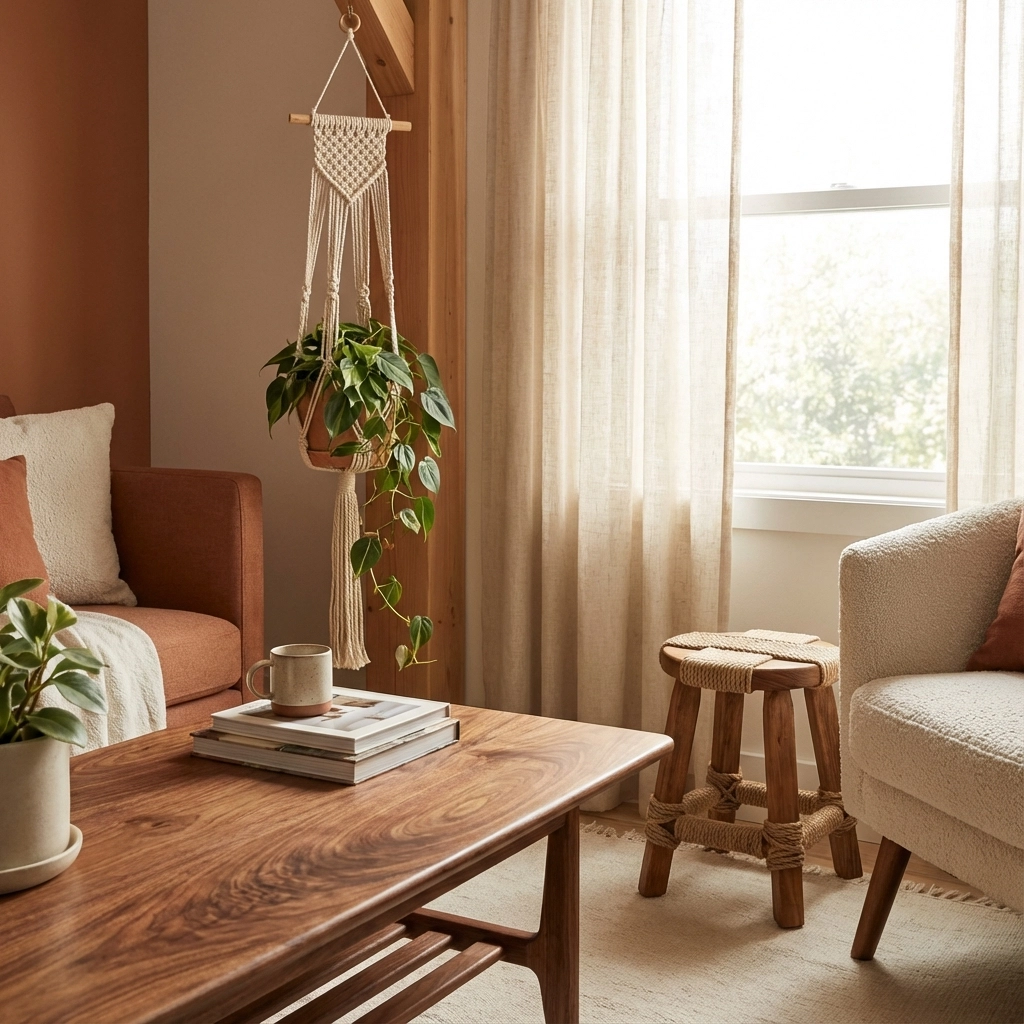
We're seeing this firsthand in the growing appreciation for midcentury modern and boho aesthetics. These styles have endured precisely because they prioritize craftsmanship, natural materials, and timeless design over trendy flash. When you invest in a handcrafted walnut side table or a woven macramé plant hanger, you're not just buying furniture: you're choosing pieces with personality and purpose.

Why Handcrafted Furniture Speaks to Our Souls

There's something deeply satisfying about running your fingers along a piece of furniture and feeling the subtle imperfections that prove human hands shaped it. Mass-produced furniture, no matter how well-designed, lacks this texture and authenticity. It's the difference between a factory-made print and an original painting.

Handcrafted furniture connects us to the maker's story. When you choose an artisan-made piece, you're supporting someone's craft, their years of learning and perfecting techniques passed down through generations. Every wood grain pattern, every carefully tied knot in a macramé piece, every slight variation in finish tells part of that story.

image_2

Boho and midcentury modern styles celebrate this connection to craftsmanship. Boho embraces the handmade beauty of woven textures, natural fibers, and organic shapes. Midcentury modern honors the artistry of wood, clean lines that showcase material quality, and the marriage of function with aesthetic pleasure. Both styles reject the disposable mentality in favor of heirloom-quality pieces.

The Real Problem with Mass Production (It's Not What You Think)

We're not anti-mass production across the board: that would be unrealistic. The real issue lies in the throwaway culture that mass production enabled. When furniture became so cheap that replacing it cost less than repairing it, we lost something essential: the connection between our belongings and our values.

Mass-produced furniture often prioritizes cost-cutting over durability, aesthetics over authenticity, and speed over sustainability. The result? Homes filled with pieces that feel generic, break easily, and contribute to environmental waste. We believe your home deserves better.

Consider the typical particleboard dresser versus a handcrafted solid wood piece. The mass-produced version might cost less upfront, but it often warps, chips, and falls apart within a few years. The handcrafted piece, made with care from quality materials, can last generations while developing a beautiful patina that adds character over time.

The Rise of Conscious Consumerism in Home Design

Today's furniture buyers are asking smarter questions. They want to know where their pieces come from, how they're made, and what impact their purchase has on the world. This conscious consumerism is driving demand for transparency, sustainability, and ethical production practices.

image_3

Handcrafted furniture naturally aligns with these values. When you buy from an artisan, you typically know exactly who made your piece, what materials were used, and how the creation process unfolded. There's no mystery about labor conditions or environmental practices: you're buying directly from someone who takes pride in their craft and stands behind their work.

Wood and woven artisan furniture particularly resonates with environmentally conscious buyers. Natural materials like responsibly sourced wood, organic cotton, and sustainable fibers offer alternatives to synthetic materials and chemical-heavy manufacturing processes. Plus, handcrafted pieces are typically built to last, reducing the cycle of consumption and waste.

Customization: The New Standard, Not the Exception

One of the most exciting developments in furniture is the shift toward customization as a baseline expectation rather than a luxury upgrade. Buyers increasingly want pieces that fit their specific spaces, needs, and aesthetic preferences: something mass production struggles to provide efficiently.

Handcrafted furniture excels here because customization is built into the artisan process. Want your dining table three inches longer to fit your space perfectly? Need your macramé wall hanging in a specific color to complement your existing decor? These requests aren't complications for skilled artisans: they're opportunities to create something truly special.

This customization trend particularly benefits midcentury modern and boho enthusiasts. Midcentury modern spaces often feature unique architectural elements that require furniture scaled to specific proportions. Boho style thrives on personal expression and the layering of meaningful objects. Both aesthetics benefit enormously from pieces designed with intention rather than mass appeal.

The Economics of Choosing Handcrafted

Let's address the elephant in the room: handcrafted furniture typically costs more upfront than mass-produced alternatives. But this price difference tells only part of the story. When you calculate cost per year of use, quality handcrafted pieces often prove more economical than their cheaper counterparts.

image_4

A handcrafted solid-walnut coffee table with clean midcentury lines might cost $1,200 compared to a $350 flat-pack, veneered alternative, but it can last decades with proper care while adding texture and warmth to your living room every day. The mass-produced option might chip, wobble, or feel generic within a few years and rarely develops the soulful patina that makes a piece treasured over time. Which is really the better value?

Beyond economics, there's the intangible value of owning pieces that bring joy every time you see or use them. Handcrafted furniture doesn't just serve functional needs: it enriches your daily experience of being at home.

What This Means for Your Home in 2026

As we move deeper into 2026, we expect to see continued growth in demand for authentic, handcrafted pieces. But this doesn't mean mass production will disappear entirely. Instead, we're likely to see a more nuanced marketplace where different production methods serve different needs and values.

For pieces that benefit from craftsmanship: dining tables, statement seating, decorative elements, custom storage solutions: handmade will increasingly become the preferred choice. For basic functional items where craft adds less value, improved mass production methods focusing on sustainability and durability will likely fill the gap.

The key is becoming a more intentional consumer. Before purchasing any furniture piece, consider: Does this item deserve the handcrafted treatment? Will the artisan touch add meaningful value to my daily experience? Does this piece align with my values around sustainability, authenticity, and supporting skilled craftspeople?

Building Homes with Heart and Hands

The trend toward handcrafted furniture represents something larger than a design preference: it's part of a broader movement toward more meaningful consumption. We're choosing to surround ourselves with objects that reflect our values, support skilled artisans, and contribute to a more sustainable way of living.

image_5

At Knit & Knot Studio, we see this shift happening in real time. Our customers aren't just buying furniture: they're investing in pieces that will become part of their family stories. A handwoven wall hanging becomes the focal point where guests naturally gather. A custom wooden coffee table becomes the centerpiece for countless conversations and shared meals.

This is why handcrafted furniture isn't just taking over: it's taking us home to a more authentic way of living. In a world that often feels mass-produced and impersonal, choosing artisan-made pieces is an act of rebellion, beauty, and hope.

The future of furniture isn't about eliminating mass production entirely, but rather about making more conscious choices about when craftsmanship matters most. And increasingly, we believe it matters more often than we might think.

Next
Next

10 Stunning Ways to Use Macramé in Your Home Decor