
Conscious Consumerism and Customization
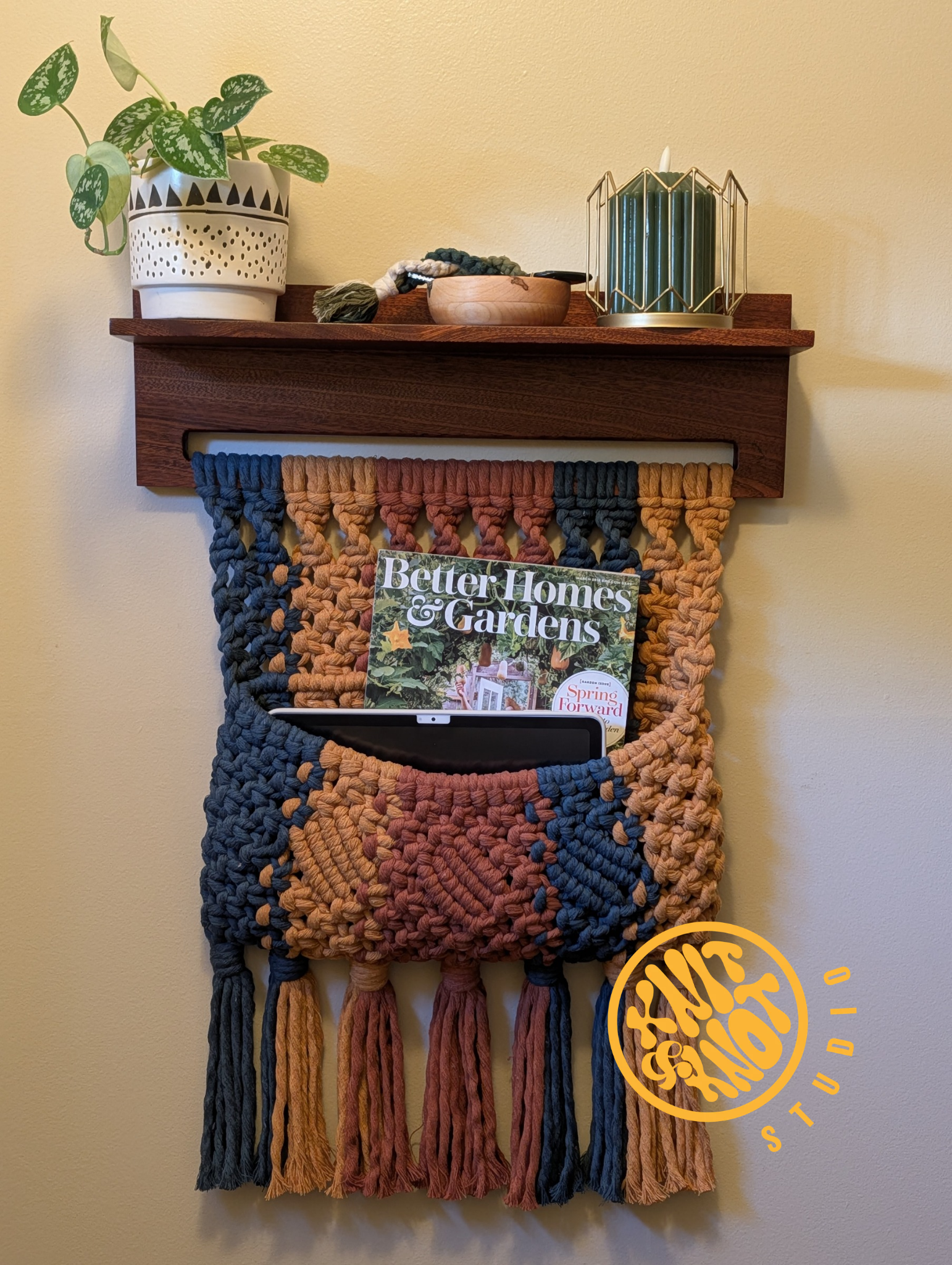
Today's furniture buyers are asking smarter questions. They want to know where their pieces come from, how they're made, and what impact their purchase has on the world. This conscious consumerism is driving demand for transparency, sustainability, and ethical production practices.
Ethical Design and Natural Materials
Handcrafted furniture naturally aligns with conscious values. When you buy from an artisan, you typically know exactly who made your piece, what materials were used, and how the creation process unfolded. There's no mystery about labor conditions or environmental practices, you're buying directly from someone who takes pride in their craft.
Wood and woven artisan furniture particularly resonates with eco-minded buyers. Natural materials like responsibly sourced wood, organic cotton, and sustainable fibers offer clean alternatives to synthetic materials and chemical-heavy manufacturing. Plus, built-to-last pieces naturally reduce the cycle of consumption and waste.
Customization: The New Baseline
One of the most exciting developments in interior design is the shift toward customization as an expectation rather than a luxury upgrade. Handcrafted furniture excels here because customization is built directly into the artisan process:
- Need your dining table three inches longer to fit an unusual dining room footprint?
- Want your macramé wall hanging in a specific color palette to complement existing decor?
These requests aren't complications for skilled artisans—they are opportunities to create something truly personal. Midcentury modern spaces feature architectural elements that require specifically proportioned furniture, while boho style thrives on personal expression. Both benefit enormously from pieces designed with intention.
